" transform="translate(9 6)" width="6px"/></svg>)
Is Buying Property Sight Unseen Actually Risky? Or Is That a Myth?
For many investors, buying a property they haven’t physically walked through feels risky. It’s completely rational to question whether buying sight unseen is doable, but the truth is more nuanced…
For many investors, buying a property they haven’t physically walked through feels like crossing a line.
Property is expensive. It’s illiquid. And mistakes are hard to unwind. So it’s completely rational to question whether buying sight unseen is doable.
The truth is more nuanced than most headlines suggest. Buying sight unseen is neither automatically risky nor automatically safe. It depends on how the decision is made and what systems are there to protect you.
Why The Fear of Buying Sight Unseen Exists
Most people don’t fear buying sight unseen because of distance. They fear it because it feels like a loss of control.
When you inspect a property yourself, you feel involved. You feel reassured. You feel like you’re reducing risk by being present. And given the size of the decision, that instinct makes total sense.
For investors who’ve worked hard to build their wealth, caution isn’t hesitation; it’s intelligence. The question isn’t whether fear exists. It’s whether that fear is pointing to the real source of risks.
In the following sections, let’s discuss three things:
What risks do people usually feel they’d face when buying sight unseen?
Can inspecting yourself mitigate those risks?
What are the real sources of risk in property investment?
What People Usually Mean When They Say “Risky”
When investors say buying sight unseen feels risky, they’re usually referring to one or more of these concerns:
Fear of missing defects: What if something is wrong that I don’t see?
Fear of being misled: What if the selling agent isn’t telling the full story?
Fear of trusting strangers: How do I rely on inspectors, agents, or advisors I’ve never met?
Fear of irreversible mistakes: If this goes wrong, I’ll be stuck with it.
None of these concerns is about geography. They’re about trust, verification, and consequences. And that distinction matters.
Is “If I Inspect It Myself, It’s Safer” True?
There’s a common belief that physically inspecting a property automatically makes the decision safer. In reality, that assumption deserves scrutiny.
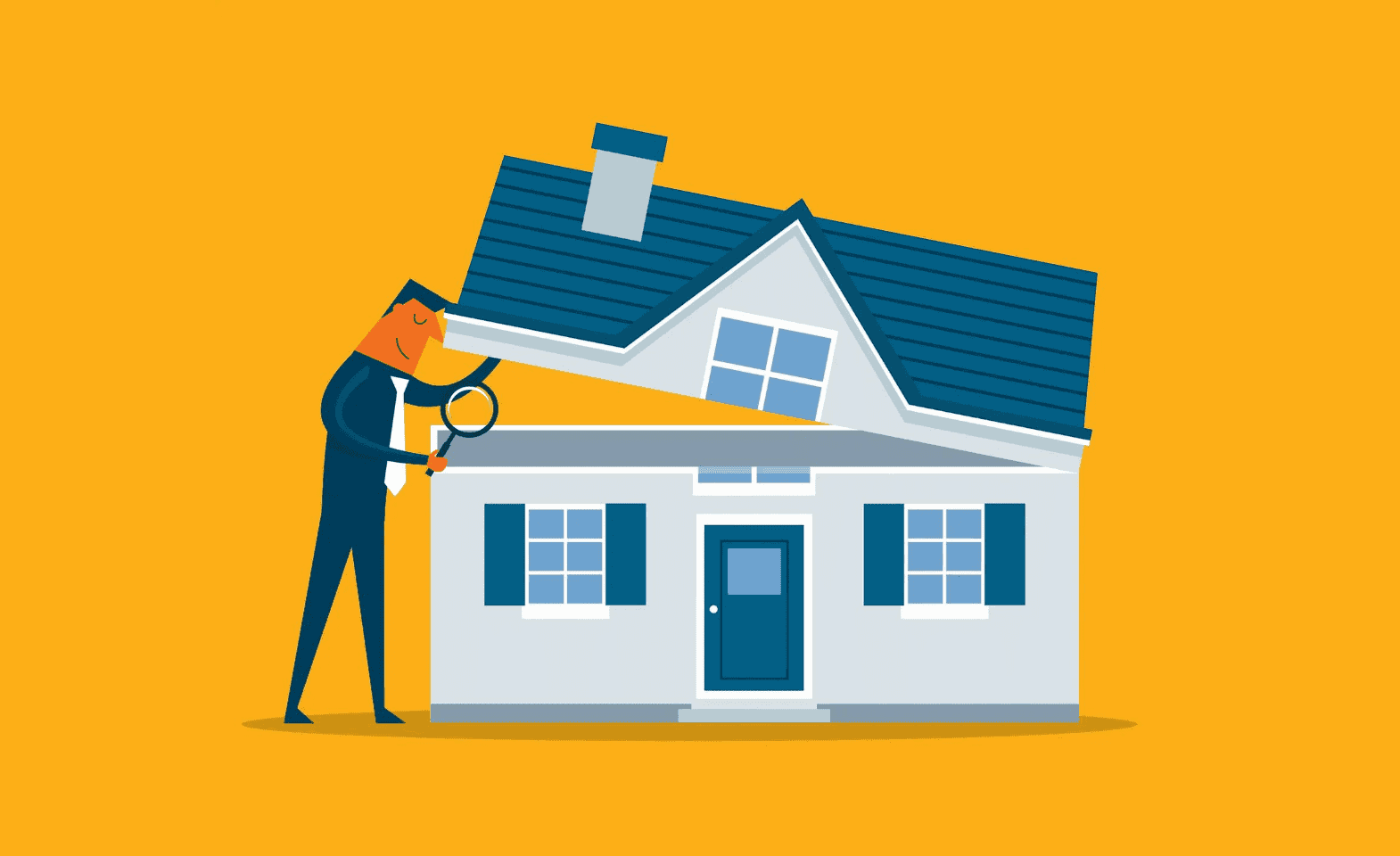
Most investors who’ve purchased underperforming properties didn’t buy sight unseen. They have inspected in person. Some have even inspected multiple times. And yet, the outcome still wasn’t ideal.
Why?
Because in-person inspection does not cancel any of the following factors that could lead to poor performance:
Emotional bias (“It feels right”)
Time pressure
Agent influence
Limited understanding of the local market dynamics
Lack of technical expertise to identify structural, compliance, or hidden building issues
Ignoring potential natural disaster impacts
Whether buying sight unseen or seen, it can be equally risky when there’s no independent verification, inspections are superficial, decisions are rushed, or advice comes from parties whose role is to sell property rather than protect the buyer’s outcome.
Being there can feel safer. But feeling safe and being safe are not the same thing.
Where Property Investment Risks Actually Come From
The biggest risks come from structural issues in the decision-making process.
In our experience, risk most commonly comes from:
Buying in the wrong market
Poor, inconsistent or no due diligence
Relying on a single opinion
Decisions driven by emotion rather than data
These risks exist whether or not you inspect a property in person.
Distance is obvious and easy to focus on. Process failures are quieter and far more expensive over time.
The Better Question to Ask Yourself
Instead of asking:
“Should I buy property sight unseen?”
A more useful question is:
“What systems are in place to protect me from making a risky decision?”
Risks in property investing do not disappear because you attend an inspection. They’re managed through good systems:
Independent verification
Multiple professional perspectives
Local expertise
Structured thorough due diligence
Data-led decision-making
The most consistent investors do not rely on proximity. They rely on the processes created by their trusted expert teams: brokers, solicitors/conveyancers, buyer’s agents, building inspectors, property managers, and more.
After all, the goal isn’t to be physically present. It is to be protected from avoidable mistakes and positioned for long-term performance.
If you understand where risks actually come from, buying sight unseen stops being a leap of faith. It becomes a considered decision, made with the right safeguards in place.
And that’s what investing intelligently really looks like.
InvestorKit is a data-driven buyer’s agency focused on reducing avoidable risk through thorough market research and disciplined due diligence, so that investors make informed decisions based on evidence, not emotion.
If you’re considering your next investment and want clarity on whether buying borderless and sight unseen is right for your situation, book a FREE 15-minute discovery call to see if InvestorKit is the right fit to help you make a smarter purchase and build your portfolio with confidence.
Keep Reading



" transform="translate(5 5)" width="14px"/></svg>)