" transform="translate(9 6)" width="6px"/></svg>)
Rental Boom Coming? How the tax reform is actually going to change the rental market
The federal budget, delivered last month, introduced tax reforms, sparking widespread predictions of drastic changes in the rental market. While sentiment is shifting and some markets are already reacting, the core question remains: how will these changes ultimately reshape the market?
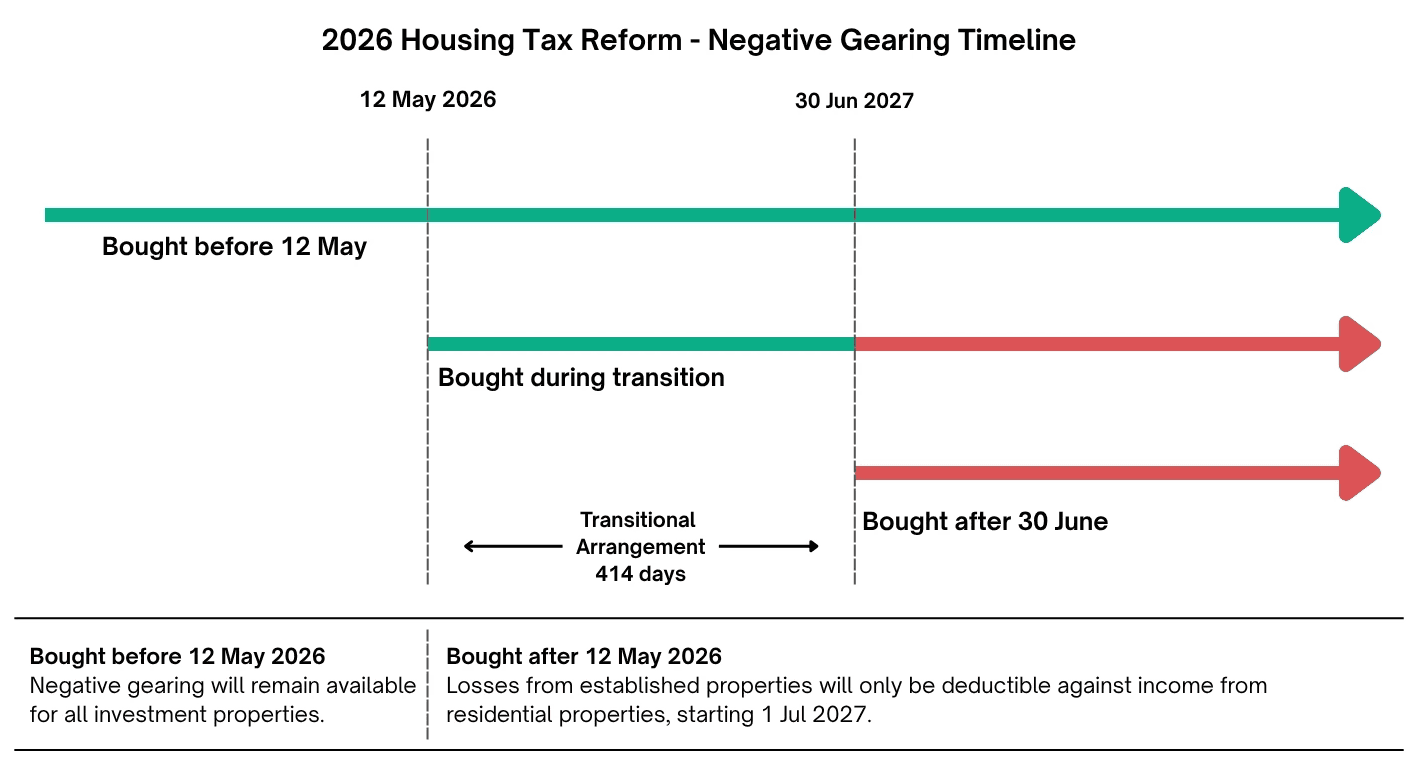
The federal budget, delivered last Tuesday, 12 May, included significant housing tax reforms restricting negative gearing to newly built properties and replacing the current 50% capital gains tax (CGT) discount with an inflation-based indexation system.
These changes have triggered a wave of predictions and questions: Will fewer investor incentives lead to a collapse in rental supply? Will rents be surging nationwide? Are we on the footsteps of a rental boom?
While sentiment is shifting and some markets are already showing rising rents, the truth is that reforms are staged rather than sudden, and grandfather plans largely protect existing investments.
The core question remains: how will the tax reform impact the rental market?
The “Rental Boom” Narrative May Be Too Simplistic
While rental growth may indeed be influenced by the tax reform, expecting a sudden boom may overlook several key market and policy factors that point to a more gradual shift than an immediate surge.
For instance, as detailed in the Federal Budget, properties held before the 12 of May announcement are grandfathered, and existing investors can continue to offset losses against other income indefinitely, through negative gearing.
The policy changes incentives for future purchases, not the existing base, giving investors time to adapt as portfolio changes occur gradually.
Additionally, the restriction on newly purchased properties doesn't take effect until 1 July 2027.
Rental obligations also limit sudden, generalised rent increases; in fact, authorities across the country limit the frequency of rent adjustments in all states. Only the Northern Territory allows rental adjustments to take place in an interval of less than 12 months.
1 Year: NSW, VIC, QLD, WA, SA, TAS, ACT
6 Months: NT
Overall, restrictions on rental adjustment frequency and staged reforms limit an abrupt boom in the rental market.
On the other hand, for the rental supply to collapse, rental properties would have to be sold rapidly. In reality, selling a rental property means navigating tenancy obligations, transaction costs, CGT, and debt, not a quick trade. Even when nationwide policies are put in place or when investor preferences shift, portfolio changes and the consequent supply effect are likely to build gradually.
Additionally, only certain higher-priced markets with lower rental yields are likely to be significantly affected. These markets alone are unlikely to be sufficient to trigger a nationwide rental boom.
Let’s explore how yield will gain importance
Investors May Become More Yield-Focused
Given the weakening tax advantages that limit new investors' ability to offset other income, such as salary, against losses from a negatively geared rental property. Investors might place greater importance on high-yield markets and asset types.
Investors can still buy, they'll just have a stronger reason to care whether the rent actually covers a substantial part of the costs, rather than relying on a tax refund to bridge the gap. Take a look at the following properties located in Geraldton (Property A) and Melbourne (Property B). While negative gearing could significantly mitigate the shortfall for property B, the negative cash flow would increase substantially without it, making it substantially harder to hold than property A.
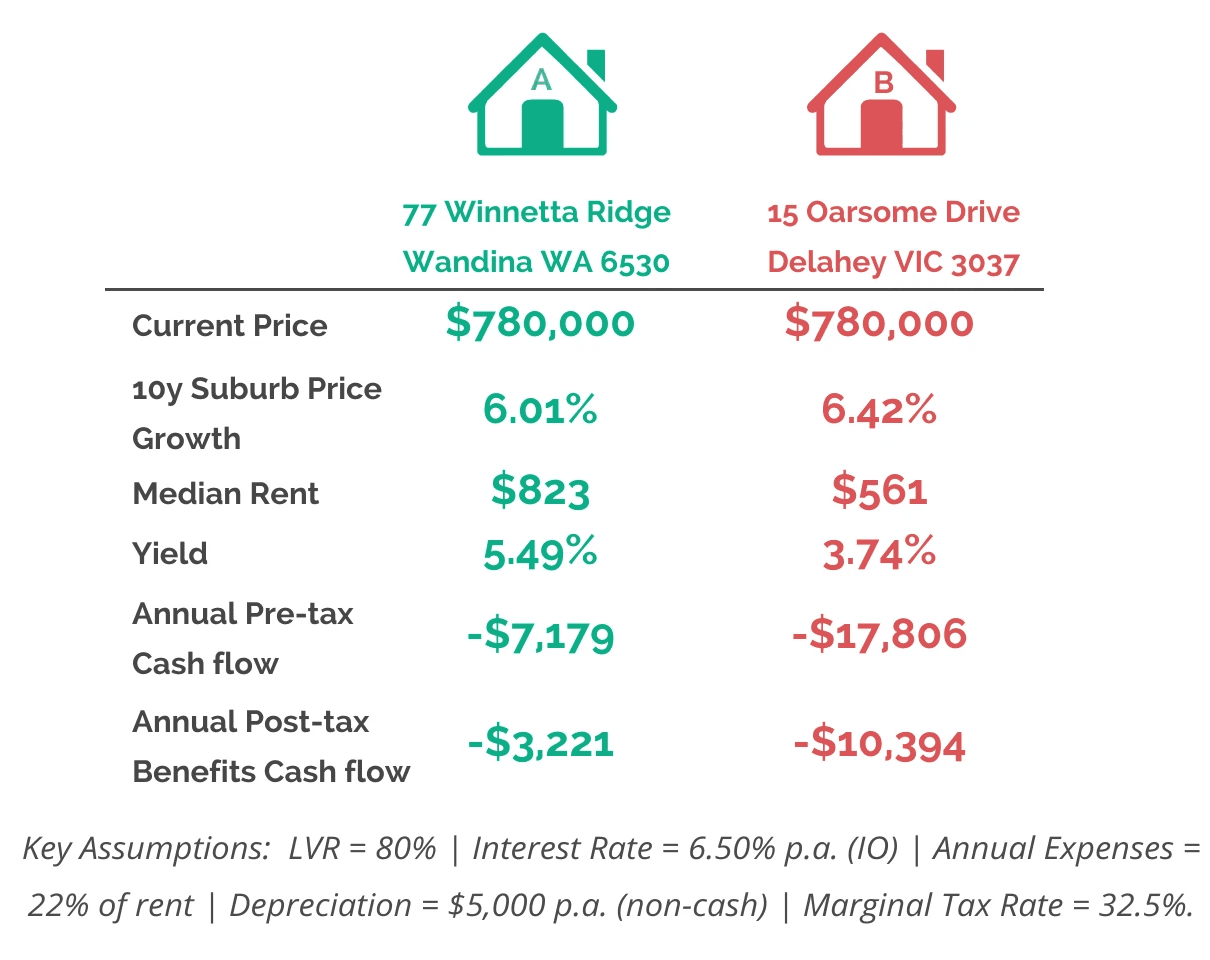
In this case, for investors who prioritise sustainability, Geraldton would be more attractive.
Note that, in a real scenario, this type of comparison should take into account several additional portfolio strategy factors. Still, considerations such as this might push investors to deprioritise lower-yield established markets, which are often well located (close to employment hubs, public transport, shopping centres, etc.).
Nevertheless, Investor demand is unlikely to disappear; it will instead shift towards different markets and asset types. Investors might instead seek outer-suburban new builds, or regional markets with higher rents relative to prices and offering more competitive yields.
A shift in investor preferences will naturally flow through to the rental market. Some markets may experience a decline in investor activity, leading to tighter vacancy rates, while others could see an increase in available listings. However, as with any market adjustment, the response from consumers, in this case, renters, will also play an important role in shaping outcomes.
Investor And Renter Demand Will Likely Not Move Together
While the investor's interest in transitioning into new markets can be justified, renters are unlikely to follow the same path.
Renters' priorities will remain largely unchanged, focused on convenience, proximity to employment hubs, transport access, and lifestyle.
In suburbs where renters already make up a large share of the population, rental demand is structural and likely to remain strong. A great example can be found in the following Sydney suburbs, which will likely remain highly regarded by renters due to their connectivity and proximity to employment hubs, but may increasingly deter yield-focused investors.
Table 1. Inner Sydney Suburbs with High Renter % offering Low Yields.
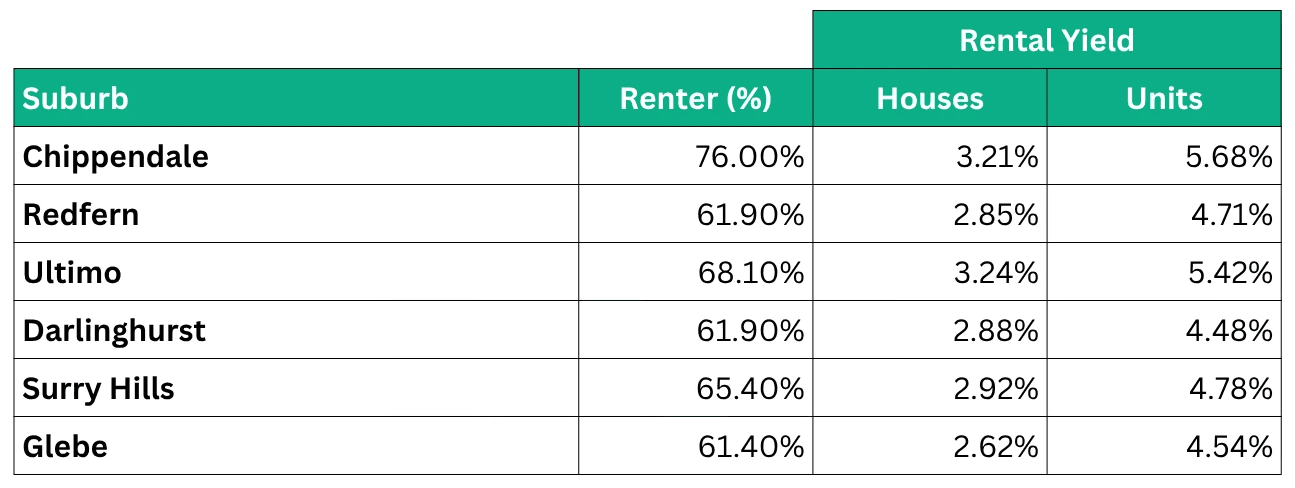
Note that, while in these markets the gross rental yield is more favourable for units, investors might also face high strata fees, leading to lower net yields closer to those reported for houses.
As investor and renter preferences increasingly diverge across markets, so will rental outcomes. Rather than conditions shifting uniformly nationwide, each location will be influenced by its own investor and tenant dynamics.
With that in mind, let’s examine how different market types may respond.
Reform Impact Will Largely Depend on Market Type
Growth corridors
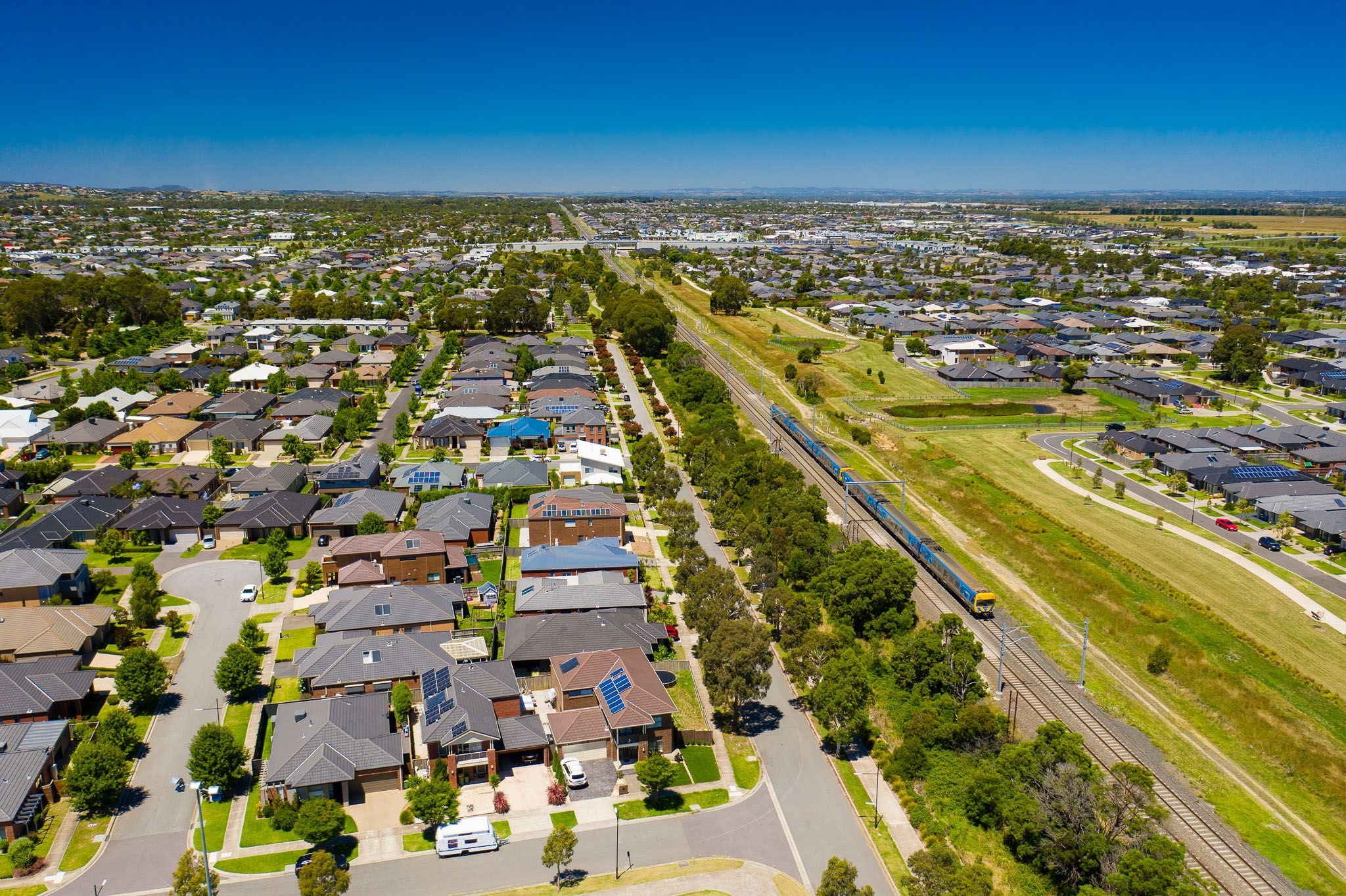
Growing areas such as Outer Melbourne and Western Sydney may attract large volumes of investors. Still, demand might not grow at the same pace, leading to a temporary rise in vacancy rates and, in turn, a softening in rental growth.
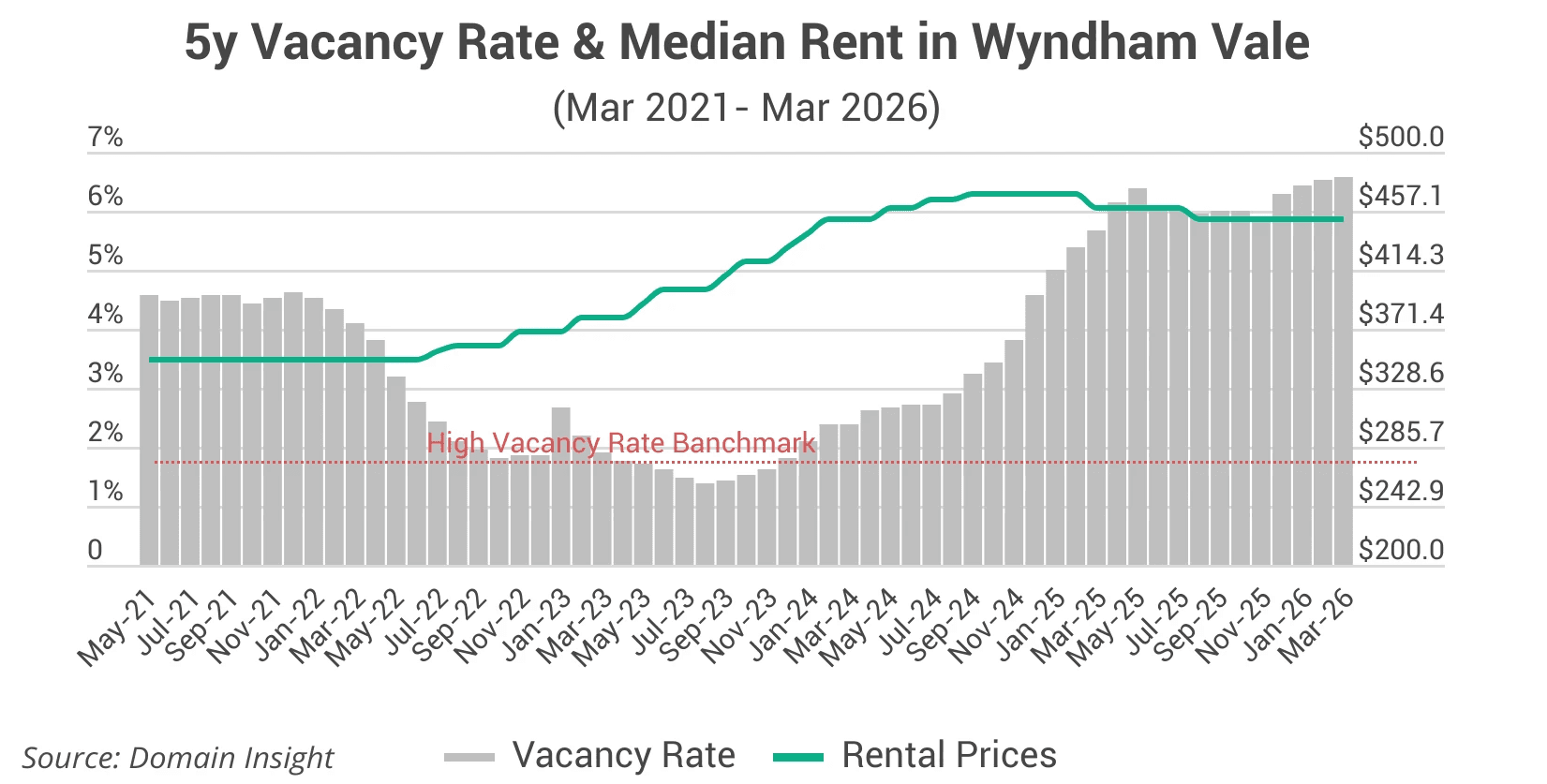
Take a look at Wyndham Vale, a Growing suburb in outer Melbourne that faced constrained rental market conditions throughout 2022–2023. Since then, however, the area has continued to record extremely high building approvals, with Wyndham Vale - North alone sustaining building approvals equivalent to more than 10% of the existing stock over the past 3 years.
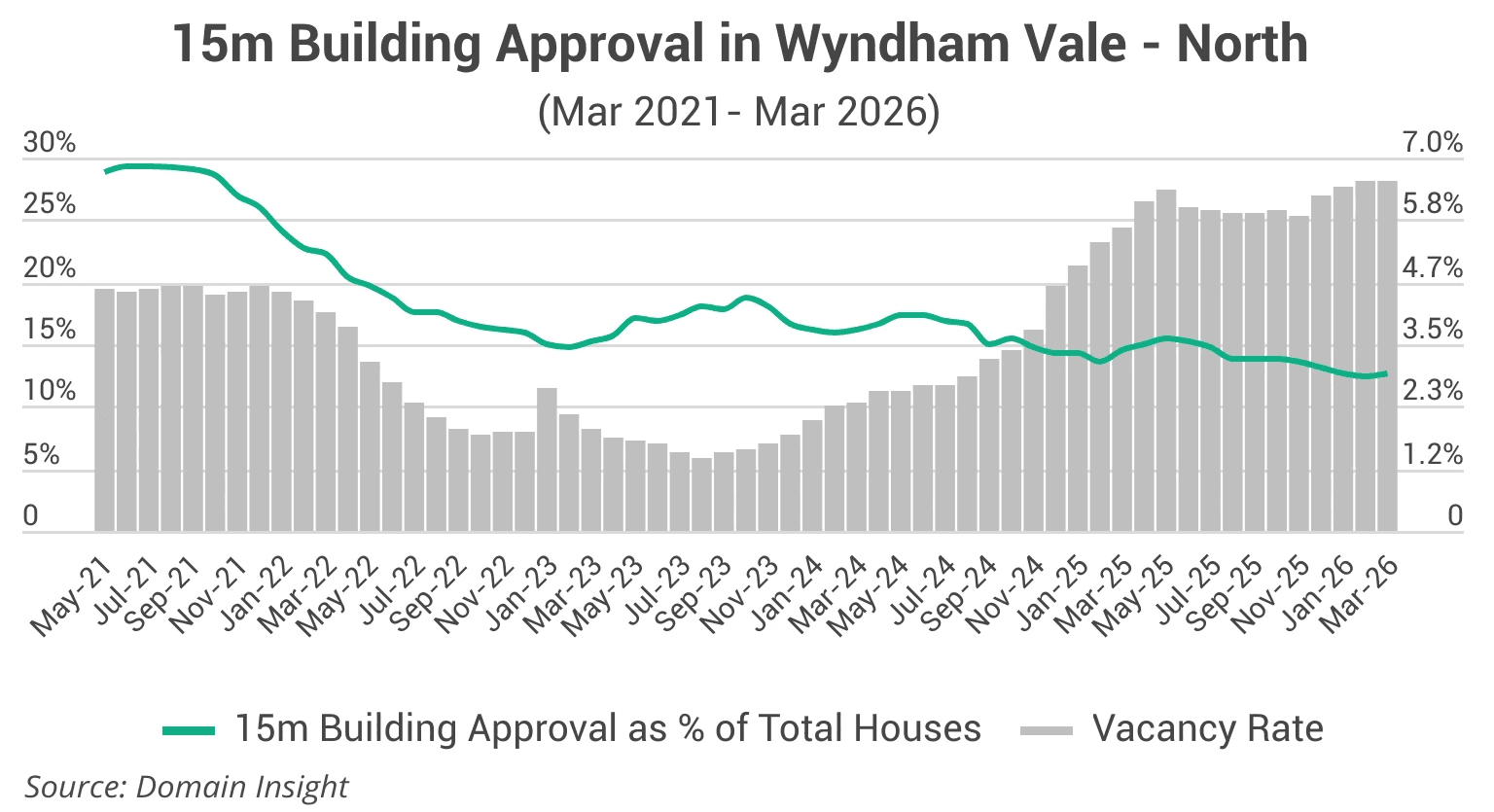
In 2023-2024, Melbourne’s supply remained elevated, and investor participation started to rise. This created a scenario in which demand failed to exert sufficient pressure on the market, leading to higher vacancy rates and a decline in rental prices across the suburb over the past year.
Established areas
Inner- and middle-ring suburbs, frequently characterised by lower yields but strong employment access and constrained supply, might appeal less to investors, while remaining a priority for renters.
This scenario might lead to a decrease in new rental supply, with renter demand holding firm, gradually placing price pressure on rents rather than relieving them.
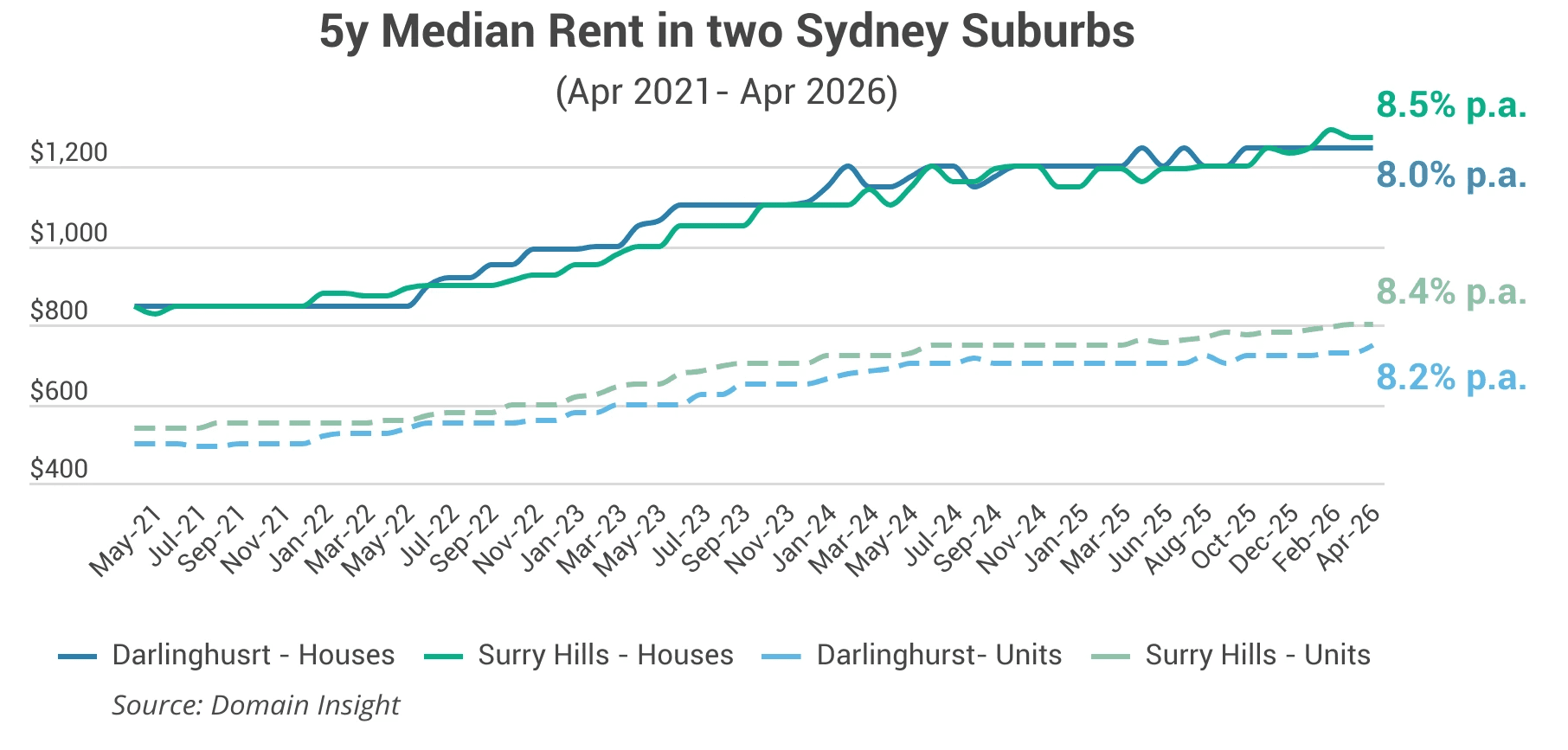
As mentioned above, some Inner Sydney areas could experience this exact trend. With high renter appeal and low vacancy rates, rents have shown a strong growth; they are likely to rise further if investors exit the market or if the market becomes less accessible to new investors.
Regional markets
Finally, regional markets might also see increases in rental supply, as higher yields and lower entry prices could attract additional capital. However, the scale of this investment increase is likely modest as some investors remain cautious about regional markets.
While data shows that performance is driven at the micro-market level and that regional markets can perform well for investors, capital cities continue to dominate headlines. Assumption-based myths about the risk of regional markets remain deeply rooted.
Conclusion
The reforms will gradually reshape the rental market, in different directions depending on where you look. Yield and cash flow will become more central to investment decisions. Renter demand, meanwhile, will continue to follow jobs, transport, and affordability.
Where those two forces align, available supply could rise, relieving pressure caused by demand. Where they diverge, some areas might face oversupply risk from concentrated investor activity and a moderation in rental growth, while others could see rental conditions quietly tighten.
The future rental market may not be defined by a single national boom, but by growing divergence between where investors choose to buy and where renters still want to live.
We’ve explored how the rental market may behave during this period of change. While the reforms are unlikely to trigger sudden or dramatic shifts, they could still have important implications for your portfolio strategy.
At InvestorKit, we’re a data-driven buyer’s agency constantly analysing market trends, rental conditions, and emerging opportunities across Australia. If you’re unsure how these changes could affect your portfolio or what your next move should be, book a FREE 15-minute discovery call!
Keep Reading



" transform="translate(5 5)" width="14px"/></svg>)