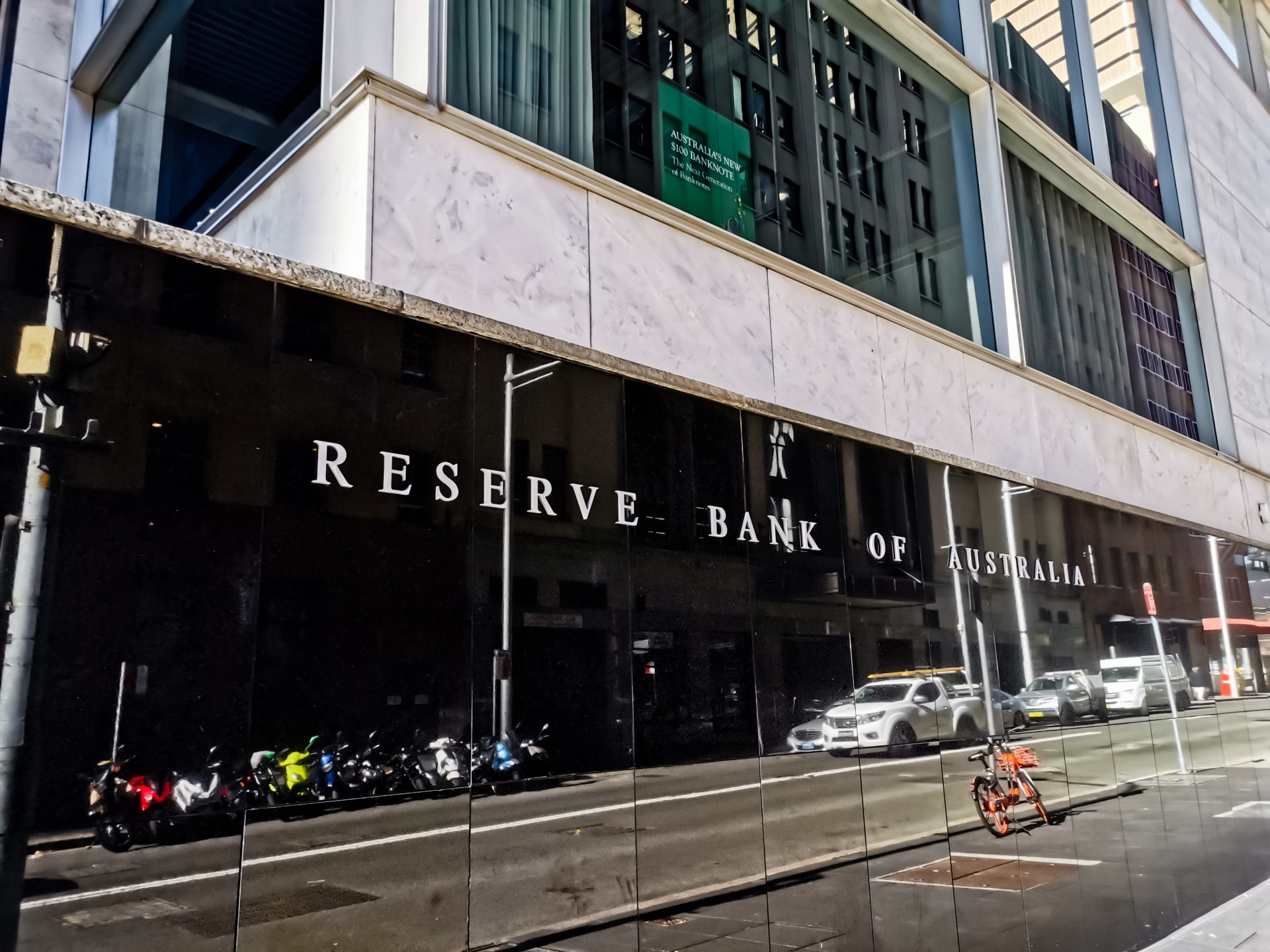
Reserve Bank of Australia building reflection with motorcycles

August 2025 Rate Cut: What It Means for Australian Property Investors

The RBA has today announced that they will cut the interest rate by 0.25%, bringing the current cash rate to 3.6%. What does this mean for property investors across Australia?

The Reserve Bank of Australia (RBA) has today announced a 0.25% cut to the cash rate, bringing it down to 3.6%.

So, what does this mean for the property market — and for your next move as an investor?


Boost to Buyer Confidence

“The 0.25% cut to the cash rate will likely give another boost to buyer’s confidence,” says our Senior Research Analyst, Junge Ma, “As we saw earlier in the year with both the February and May cuts, there was a noticeable improvement in sentiment, particularly in the high-priced markets. Auction clearance rates in Sydney, Melbourne, Brisbane and Canberra have been trending upwards as a result.”

With cheaper borrowing, more buyers — particularly in higher-priced segments — are expected to return to the market. This is likely to continue lifting auction clearance rates and buyer competition.


Impact Across Different Market Segments

While the cut will be welcomed by most buyers, it’s important to note that interest rates remain high by historical standards. Here’s how different segments may respond:

  • High-priced markets — Inner-city and middle-ring suburbs in capital cities may see increased competition from buyers eager to move while borrowing costs ease.

  • Affordable markets — Already attracting strong interest, these areas are likely to remain competitive, but the cut could help balance activity across price brackets.


Why Your Strategy Still Matters Most

While interest rate changes do influence short-term market behaviour, your long-term property strategy should be the guiding force behind your decisions. External shifts like this are best used to your advantage within a bigger-picture plan.


Three Smart “Next-Steps” for Investors

If you’re looking to position yourself strongly after this announcement, here’s where to start:

1. Check Your Borrowing Power With Your Broker

Align your finance options with your long-term portfolio plan.

2. Refresh Your Target Suburbs With InvestorKit Data

Focus on markets primed to benefit from the rate cut.

3. Act Fast With a Data-Led Plan

Move quickly with a clear brief and pre-approval — book your free Discovery Call to get started.

If you’re already an InvestorKit client, reach out to your strategist today to review your current position and seize opportunities before competition heats up.


Final Word

The August rate cut is another reminder that market conditions can change quickly — but informed, data-driven investors can turn those changes into an advantage. By combining timely action with a solid strategy, you can keep your portfolio moving forward no matter what the RBA decides next.

Keep Reading

Explore other Blogs

Construction site with multiple cranes and unfinished buildings.
The Danger of Making Property Decisions Based on Today’s Interest Rates

Should you wait for interest rates to fall before investing? Discover why long-term property investors should focus on market fundamentals, not today's borrowing costs, when making investment decisions.

Construction site with multiple cranes and unfinished buildings.
The Tax Trap: Why the 2026 Budget May Actually Hurt New Build Investors

Tax treatment shapes how much of your return you keep, not how large that return is. A larger gain taxed less favourably can still outperform a smaller one taxed more favourably. This blog models the full 10-year after-tax outcome for both property types and tests the theory against real Australian market data.

Construction site with multiple cranes and unfinished buildings.
Tax Benefits Alone Don’t Automatically Make New Builds Better Investments

However, tax benefits are only one factor in your investment performance, not the whole picture. Structural factors that shape long-run property growth, such as supply scarcity, land value, location quality, and underlying demand, are not shaped by tax policy. Favourable tax treatment can improve the outcome of a strong investment, but it cannot compensate for a weak one.

Construction site with multiple cranes and unfinished buildings.
The Danger of Making Property Decisions Based on Today’s Interest Rates

Should you wait for interest rates to fall before investing? Discover why long-term property investors should focus on market fundamentals, not today's borrowing costs, when making investment decisions.

Construction site with multiple cranes and unfinished buildings.
The Tax Trap: Why the 2026 Budget May Actually Hurt New Build Investors

Tax treatment shapes how much of your return you keep, not how large that return is. A larger gain taxed less favourably can still outperform a smaller one taxed more favourably. This blog models the full 10-year after-tax outcome for both property types and tests the theory against real Australian market data.

Construction site with multiple cranes and unfinished buildings.
Tax Benefits Alone Don’t Automatically Make New Builds Better Investments

However, tax benefits are only one factor in your investment performance, not the whole picture. Structural factors that shape long-run property growth, such as supply scarcity, land value, location quality, and underlying demand, are not shaped by tax policy. Favourable tax treatment can improve the outcome of a strong investment, but it cannot compensate for a weak one.

Construction site with multiple cranes and unfinished buildings.
The Danger of Making Property Decisions Based on Today’s Interest Rates

Should you wait for interest rates to fall before investing? Discover why long-term property investors should focus on market fundamentals, not today's borrowing costs, when making investment decisions.

Construction site with multiple cranes and unfinished buildings.
Tax Benefits Alone Don’t Automatically Make New Builds Better Investments

However, tax benefits are only one factor in your investment performance, not the whole picture. Structural factors that shape long-run property growth, such as supply scarcity, land value, location quality, and underlying demand, are not shaped by tax policy. Favourable tax treatment can improve the outcome of a strong investment, but it cannot compensate for a weak one.

Construction site with multiple cranes and unfinished buildings.
The Tax Trap: Why the 2026 Budget May Actually Hurt New Build Investors

Tax treatment shapes how much of your return you keep, not how large that return is. A larger gain taxed less favourably can still outperform a smaller one taxed more favourably. This blog models the full 10-year after-tax outcome for both property types and tests the theory against real Australian market data.

© 2026 InvestorKit Pty Ltd. All rights reserved. It is illegal to reproduce or distribute copyrighted material without the permission of the copyright owner.

This website, and any content provided by is general information, not investment advice. InvestorKit and affiliates are not liable for actions taken based on this content.Always seek advice from relevant professionals such as legal, financial, and accounting experts. Past performance doesn’t guarantee future results.

© 2026 InvestorKit Pty Ltd. All rights reserved. It is illegal to reproduce or distribute copyrighted material without the
permission of the copyright owner.

This website, and any content provided by is general information, not investment advice. InvestorKit and affiliates are not liable for actions
taken based on this content.Always seek advice from relevant professionals such as legal, financial, and accounting experts. Past
performance doesn’t guarantee future results.

© 2026 InvestorKit Pty Ltd. All rights reserved. It is illegal to reproduce or distribute copyrighted material without the permission of the copyright owner.

This website, and any content provided by is general information, not investment advice. InvestorKit and affiliates are not liable for actions taken based on this content.Always seek advice from relevant professionals such as legal, financial, and accounting experts. Past performance doesn’t guarantee future results.