Michael knew the income wouldn’t last. FIFO paid well, but it came at a cost. So he didn’t spend it. He used it. What started with discipline became a 9 property portfolio worth around 4 million dollars across multiple states, with growth like 53.26 percent in Mildura and 37.18 percent in Bundaberg. Not based on high income. It was pure execution. Here’s his story.
The Client
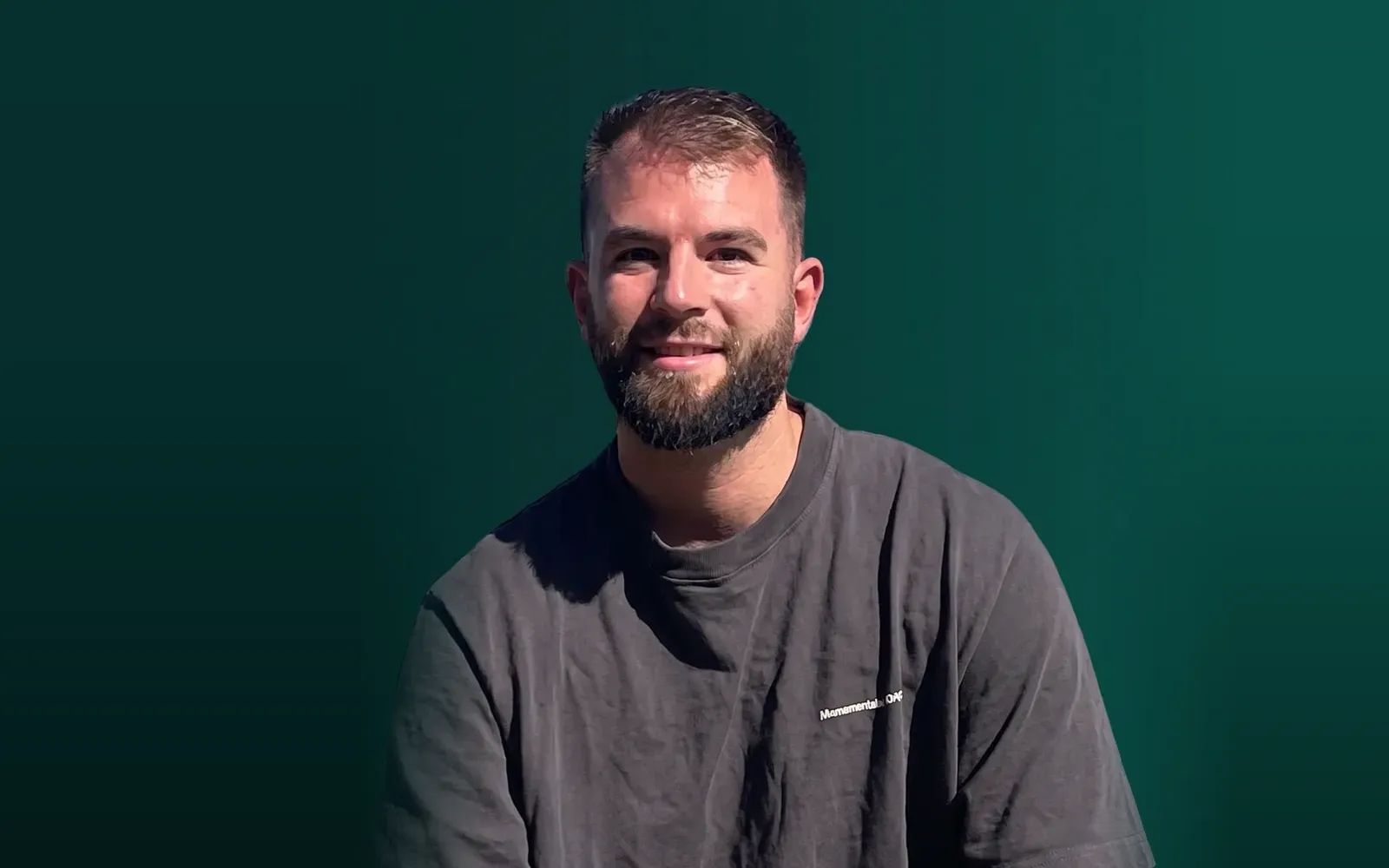
Michael is a metallurgist working in Western Australia’s resources sector.
Before the FIFO income, before the higher salary, and before the six-property portfolio, he was simply a student working hard and saving what he could. During university, he worked for years in retail and nightfill roles, putting aside money consistently until he had built a deposit.
That discipline gave him his starting point.
Once he graduated and moved into mining, his income changed dramatically. The jump from minimum wage to a resources salary gave him the platform to start investing properly.
His first purchases were made independently in Western Australia, where he focused on affordability and solid rental returns.
But as the portfolio grew, so did the need for a more strategic approach.
Michael did not want random properties.
He wanted a portfolio that could continue compounding, stay manageable from a cash flow perspective, and spread risk across different markets.
That is where InvestorKit came in.
Our Strategy
By the time Michael partnered with InvestorKit, he had already proven he could save, buy, and hold property.
The next step was about portfolio construction.
The focus was clear:
Build on what was already working, keep the strategy simple, and diversify properly.
Michael’s own philosophy already aligned closely with this. He wanted properties around the $500,000 to $550,000 range, strong enough rental yields to help support continued borrowing, and enough growth potential to keep the portfolio moving forward.
That meant balancing cash flow and capital growth rather than chasing one at the expense of the other.
It also meant buying across different states.
For Michael, diversification was not just about reducing risk. It was about staying objective. Once you spread across multiple markets, you stop obsessing over what one city is doing and start thinking like a portfolio builder.
Working together, we helped Michael acquire three additional properties in regional Victoria and northern Queensland.
Each one was selected for its role in the broader portfolio, not as a standalone purchase.
That is what allowed the portfolio to scale with more control and less emotion.
Inside the portfolio
Property by property.
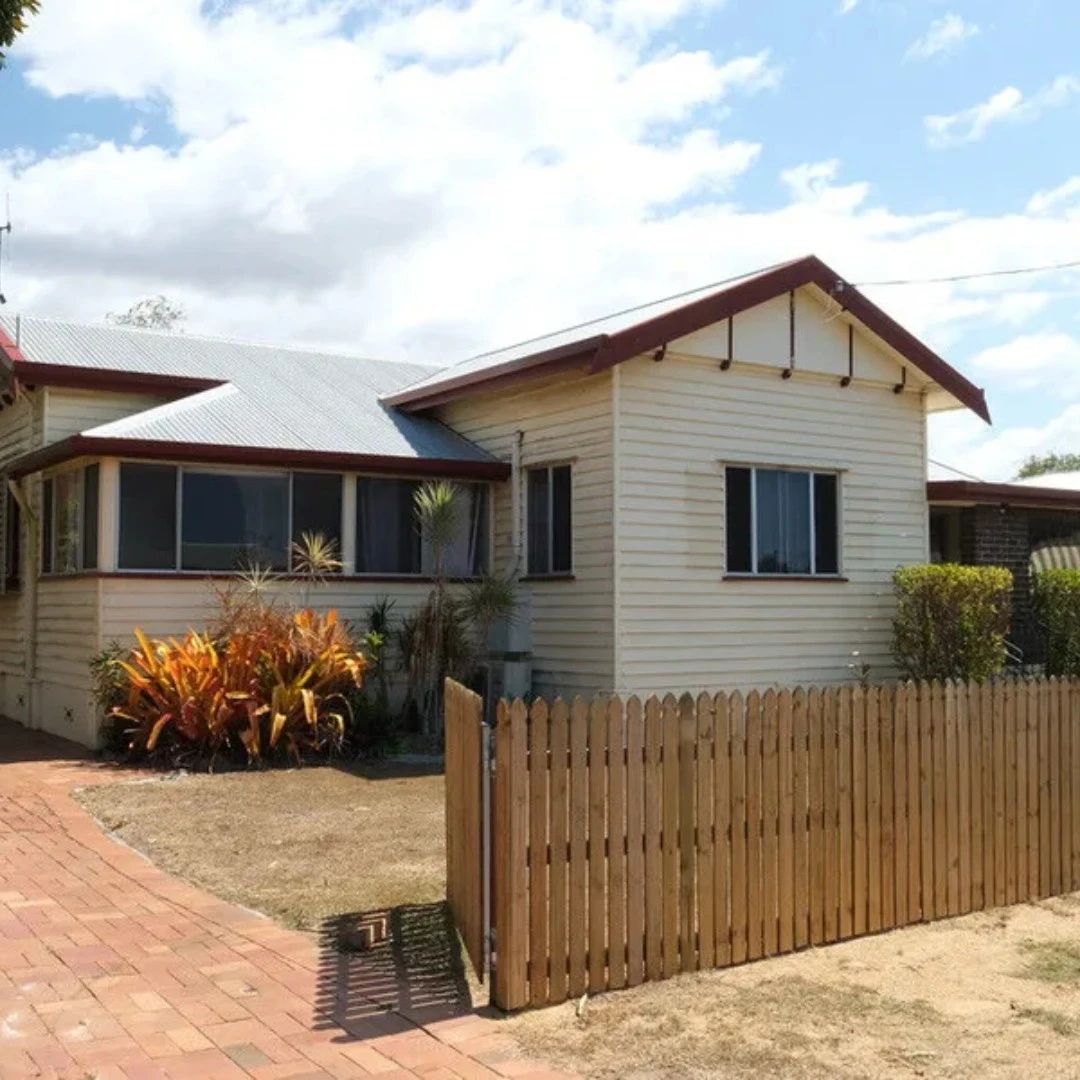
First Purchase in Mildura, VIC has grown 53.26%
Purchase Price: $460,000
Purchase Date: 2023
Estimated Valuation 2026: $705,000
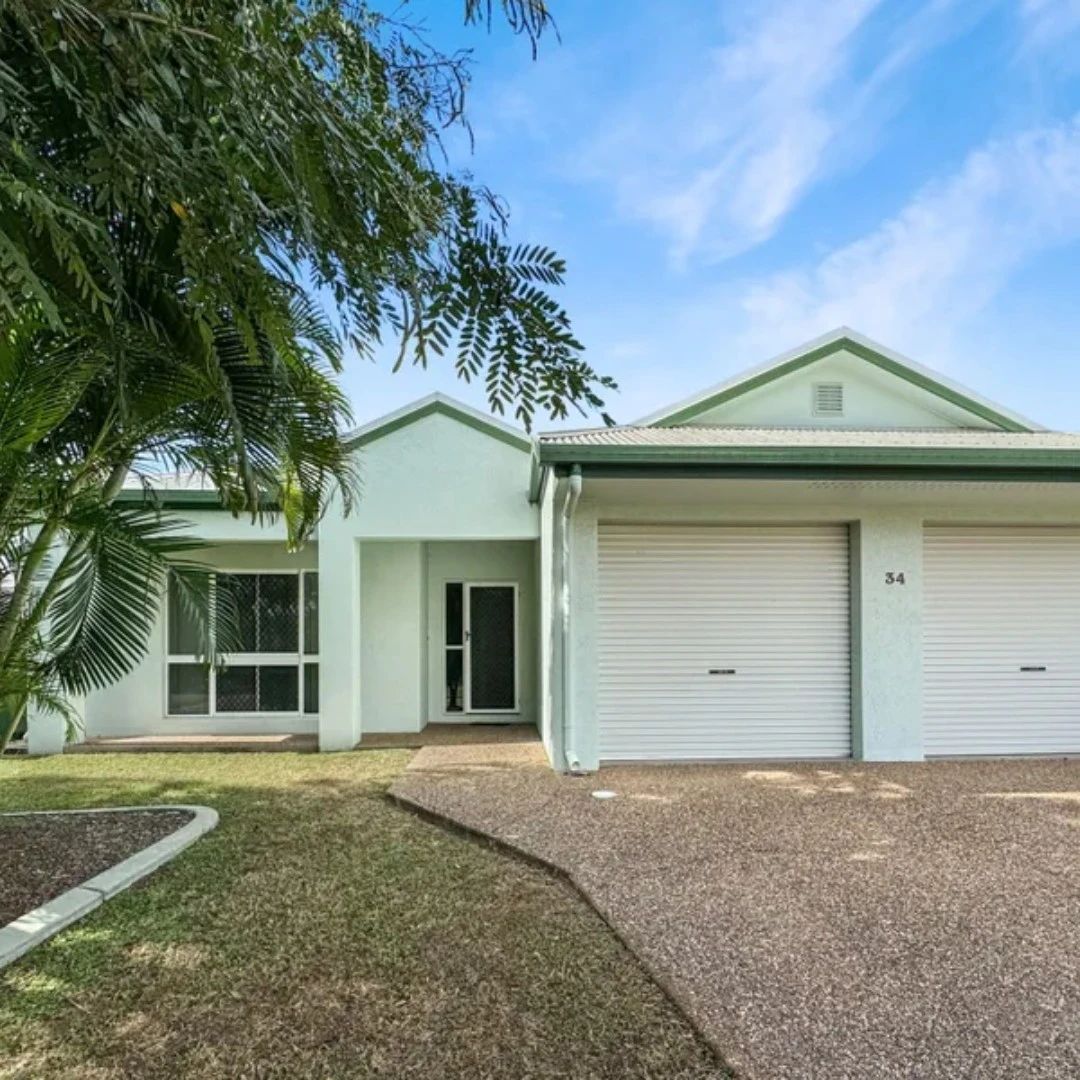
Second Purchase in Bundaberg, QLD has grown 37.18%
Purchase Price: $528,500
Purchase Date: 2024
Estimated Valuation 2026: $725,000
The Results and What’s Ahead
Today, Michael owns six properties purchased for approximately $2.7 million in total, with the portfolio now valued at around $4 million.
That growth did not happen by accident.
It came from consistency, discipline, and a strategy that stayed focused on the fundamentals.
Michael’s FIFO career helped create the opportunity, but it was his decision making that turned that income into long term assets.
The three properties added through InvestorKit helped strengthen the portfolio by expanding it across more markets and improving diversification.
That matters because the goal is not just to own more property.
It is to build a portfolio that can continue generating wealth and eventually support passive income long after FIFO work ends.
For Michael, this is still only the early stage.
He has already built a strong asset base before turning 30, and the next phase is about continuing to manage the portfolio well, preserve flexibility, and let time do the heavy lifting.
Looking Back
Michael’s story is a strong reminder that high income alone does not create wealth.
Plenty of people earn well and still have little to show for it.
What made the difference here was action.
He started saving before he had a mining salary. He bought early. He kept the strategy simple. And when the portfolio needed more structure, he brought in the right support.
His approach also reinforces a lesson many investors miss.
You do not need to overcomplicate this.
Save the deposit. Buy with a margin of safety. Focus on yield and growth. Diversify across states. Control what you can control.
That is how portfolios are built.
And in Michael’s case, it has already turned a demanding FIFO career into a national property portfolio with real long term upside.