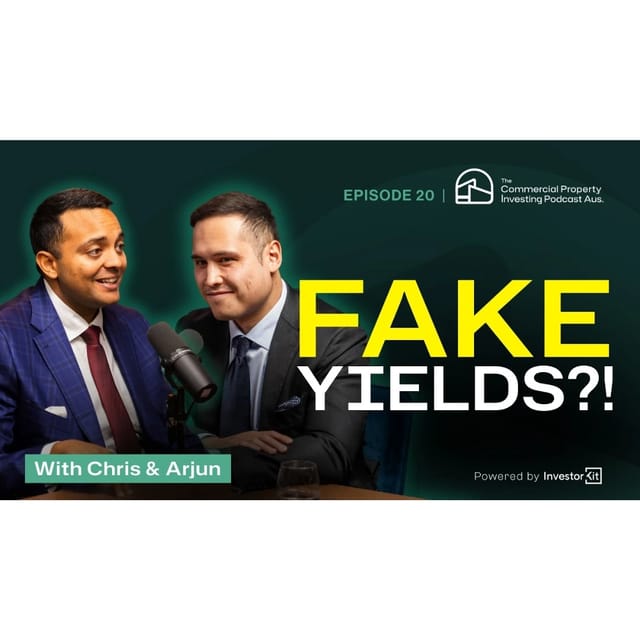
Commercial property listings look polished.
Glossy brochures. Strong yields. Clean numbers.
But what you see is only a fraction of the deal.
Behind every listing sits missing data, selective disclosure, and layers of due diligence that most investors never uncover. This is where mistakes happen.
For investors chasing higher income and larger assets, understanding what is not shown is just as important as what is.
What Happened
This episode breaks down a common issue in commercial property investing.
Listings, especially Information Memorandums or IMs, are designed to sell. They are produced by the seller or the agent, with one goal, achieve the best possible outcome for the vendor.
That creates a gap.
Investors receive documents that are detailed enough to create interest, but incomplete when it comes to making a fully informed decision.
Common patterns emerged:
Listings provide just enough information to attract enquiry
Key financial details are simplified or missing
Yields appear stronger than reality
Critical lease and outgoings data require further digging
Significant due diligence happens after initial offers
This is why many investors feel overwhelmed or hesitant in commercial property.
The risk is not always visible upfront.
Key Findings
1. IMs are marketing documents, not full disclosures
An Information Memorandum is often perceived as a comprehensive report.
It is not.
It typically includes:
photos and presentation
high-level lease summaries
basic tenant information
headline yield
But it often excludes:
full lease nuances
accurate outgoings breakdowns
incentives or rent adjustments
true net income position
The intent is clear. Generate interest first. Provide detail later.
2. “Just enough information” is a deliberate strategy
Commercial listings are designed to start conversations.
Not close them.
By limiting upfront information, agents:
qualify serious buyers
collect investor data
create engagement
control the flow of information
This is why so many listings say “contact agent” or “request IM”.
The process itself is part of the sales strategy.
3. Yields are often overstated
A key trap for investors is relying on advertised yields.
Yields can appear stronger due to:
assuming all outgoings are recoverable
excluding non-recoverable costs
ignoring incentives
using outdated or optimistic rent figures
In reality, small differences in outgoings can materially reduce returns.
For example, management fees, land tax, or insurance may not be fully recoverable depending on the lease or structure.
4. Lease details can completely change the deal
The lease is one of the most important documents in commercial property.
Small clauses can shift risk significantly.
Key areas include:
option terms, tenants may control renewal
notice periods, limited time to replace tenants
rent review mechanisms, fixed vs market
market review clauses, rent can decrease
tenant quality and payment history
These factors are rarely clear in listings but critical to long-term performance.
5. Outgoings are more complex than they appear
Outgoings are not just expenses.
They determine true net income.
Common issues include:
items listed as recoverable but not enforced
missing disclosure statements
tenants refusing certain charges
structural tax differences based on ownership
insurance and management cost disputes
There are three layers to assess:
what the listing says
what the lease says
what actually happens in practice
6. Due diligence continues after the offer
Many investors assume research ends before making an offer.
In commercial property, significant due diligence continues after.
This includes:
legal review of leases and disclosures
tenant verification
financial validation
building and capex assessments
This ongoing process is one reason investors fear making mistakes.
Action Steps
1. Treat every listing as incomplete
Assume key details are missing. Always verify beyond the IM.
2. Break down the real yield
Analyse:
true net income
all outgoings
recoverable vs non-recoverable costs
3. Request critical documents early
Before making an offer, ask for:
full lease agreement
disclosure statement
rental ledger
recent comparable sales and leases
4. Validate tenant performance
Do not rely on summaries. Check payment history and tenant strength.
5. Assess lease risk, not just income
Focus on:
option terms
rent reviews
vacancy risk
industry outlook
6. Investigate future capital expenditure
Ask about:
upcoming repairs
major replacements
building condition
7. Build relationships with agents
Well-prepared buyers get better access to deals. Poor preparation can limit future opportunities.
Commercial property rewards investors who go deeper than the surface.
Listings show the opportunity.
Due diligence reveals the truth.
If you want to invest in commercial property with a clear, data-led strategy and avoid the common traps, book a discovery call with InvestorKit and build your portfolio with confidence.