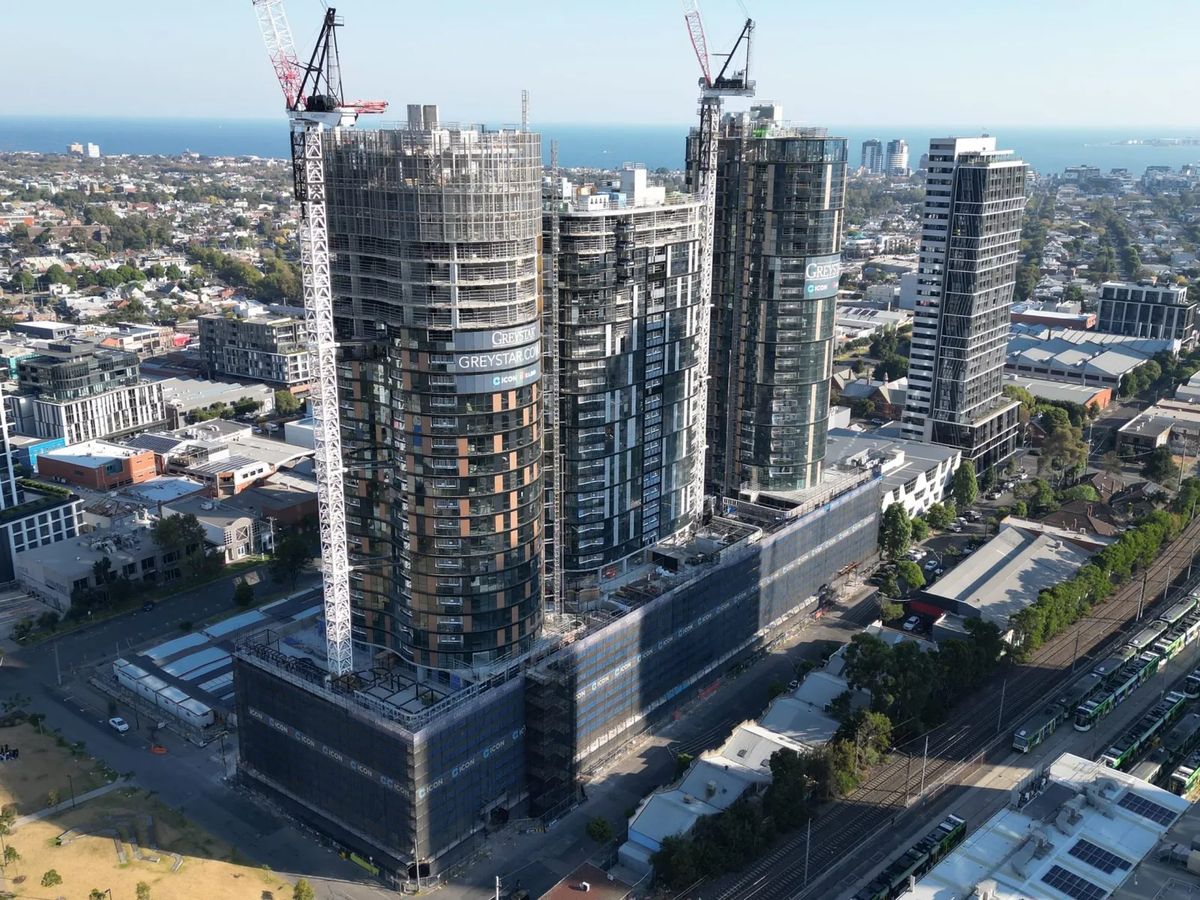
Introduction: A New Era for Sydney’s Property Landscape
In an ever-evolving real estate market, Sydney is witnessing the slow but steady growth in a particular vertical, the build-to-rent (BTR) pathway. This model involves the construction of large-scale developments by institutional investors and is specifically geared towards renters, rather than selling off each property to individuals.
A build-to-rent property consists not only of mass developments, but also key integrations such as community spaces, amenities such as gyms and playgrounds, and other facilities.
In Sydney, build-to-rent is gaining popularity, as the state of NSW itself has the second-largest pipeline of such properties in Australia. Data shows that of all the build-to-rent Australia projects, there are about 3,584 in NSW itself.
This blog will equip you with a deeper understanding of build-to-rent Sydney, how it impacts the current property market, and how it could transform it in the near future.
Key Takeaways:
Build-to-Rent Sydney Projects Are Rising Fast
With over 3,500 active developments, NSW has the second-largest build-to-rent pipeline in Australia, signalling rapid sectoral growth.BTR Redefines Renting and Property Ownership
Institutional investors own and manage these large-scale projects, offering professionally managed, amenity-rich homes for long-term renters.Government Policies and Tax Concessions Drive Expansion
The NSW government’s housing provisions and federal tax incentives – including capital works deductions and concessional rates – are boosting investor interest.BTR Could Ease Sydney’s Rental Crunch
With vacancy rates at 1.3%, build-to-rent developments could increase rental supply, stabilise prices, and reshape Sydney’s property investment landscape.
Read Time: 8-9 minutes
What is Build-to-Rent and How It Works
A build-to-rent scheme is generally built within residential spaces itself and caters solely to the rental market rather than property buyers or investors. A build-to-rent model is generally owned by institutional investors who also hire professional property management teams who maintain it and also take care of adjoining services and amenities.
A build-to-rent scheme is used interchangeably with the term “institutional rental model”, which is inherently different from traditional developments. Here are some comparisons for your reference:
Property Management: While traditional developments sell properties to buyers, who in turn are responsible for maintaining them, a professional team manages the properties in a build-to-rent development.
Ownership: Traditional developments are typically sold to individuals, while, for instance, a build-to-rent Sydney development will be owned by big institutions, including a corporation, a fund or a real estate investment trust (REIT).
Costs: Traditional developments have fluctuations in property prices depending on the market value and other factors, while a rent-to-build development generally has more stable rents, but these can be slightly higher.
Understanding these differences is especially helpful to those who are foraying into the Australian residential property market for the first time and need guidance.
Build-to-Rent Schema: Understanding the Structure & Regulations
The legal frameworks for any build-to-rent Australia project may differ depending on the territory you are based. For example, a build-to-rent Sydney development will have to adhere to the legal framework outlined by the NSW government. Let us cover the key points within the NSW build-to-rent housing provisions:
A build-to-rent Sydney development is allowed anywhere where residential flat buildings or shop-top housing are permitted, as well as in E2 Commercial Centres, MU1 Mixed Use, B3 Commercial Core, B4 Mixed Use, B8 Metropolitan Centre and SP5 Metropolitan Centre zones.
Include minimum car parking rates and apply the council’s maximum car parking rates where relevant.
Apply council height and floor space ratio standards.
Prevent residential subdivision for 15 years in all zones, except the E2 and SP5 zones, where build-to-rent housing development can never be subdivided into separate lots.
Require active uses at street level in business zones for any part of a build-to-rent housing development that faces a road.
Support the flexible application of the Apartment Design Guide, encouraging consideration of the amenity provided by common spaces and shared facilities.
Include a state-significant development pathway for build-to-rent housing. developments that have a capital investment value of more than $50 million for the Greater Sydney region (except in the City of Sydney) and more than $30 million for development on other land.
Source: NSW Planning
The Australian government also has 2 prominent build-to-rent tax concessions, giving owners and investors in eligible developments access to:
An accelerated capital works deduction, wherein a build-to-rent development owner can claim a 4% deduction for capital expenditure in construction, such as for the building, structural improvements and alterations.
A concessional withholding rate of 15% for eligible fund payments made to a foreign resident of an information exchange company, from a managed investment trust (MIT).
Such build-to-rent tax concessions provide immense incentive to developers to opt for these projects.
Although build-to-rent Sydney projects have been marketed as an excellent solution for affordable housing, experts remain divided on that, as a single institutional owner is in charge of rental rates, which can even lead to higher prices and impact affordability.
This is why a rent-to-build investment is gaining popularity amongst investors, due to its steady and stable long-term returns. On the other hand, it also facilitates long-term renting, because a higher property price means that people often rent for a longer term.
The returns on a build-to-rent investment are also pegged at a healthy number, ranging between 7-7.5% (internal rate of return). This has prompted investors to further explore this vertical.
How Build-to-Rent Could Transform Sydney’s Rental Market
So, what is the potential lying behind build-to-rent Sydney projects and how can they impact the city’s property market?
According to DWS, the Australian build-to-rent sector has experienced tremendous growth, doubling its operational capacity to 10,276 units over the past year. However, challenges such as timely completion still remain, and as of December 2024, over 60% of the projects were lagging behind schedule.
However, completion of these units will bolster rental supply, as instead of solitary owners of traditional developments renting to others, people will find mass developments solely catering to renters.
Additionally, many build-to-rent apartments in Sydney come equipped with high-end amenities, including gyms, spas, playgrounds and other premium facilities, which draw more attention from renters looking for a holistic development. Investors and owners of build-to-rent apartments in Sydney typically give out long-term leases to generate a steady revenue stream. This can also prove useful for renters who have long-term residential plans in Sydney. Given that the city has a growing population of working professionals and migrants, a long-term rental contract that does not fluctuate in prices as much compared to traditional developments is a terrific opportunity.
Currently, Sydney’s rental vacancy rate sits at a slim 1.3%, as there is unprecedented demand for renters, but a shortfall in supply from the government and developers. As build-to-rent properties are often mass projects with many units, it would help ease the rental issue.
The Investment Angle: What It Means for Property Investors
There are several build-to-rent housing concerns brought about by smaller landlords. Particularly since they do not possess the scale and capital of institutional investors. These concerns include:
Profit margins: One of the biggest build-to-rent housing concerns for small landlords is profit margins. A build-to-rent development can operate on lower profit margins due to the sheer volume of units it possesses, while landlords may only have one or several properties. A build-to-rent in the same area could impact profits for small landlords, coupled with market fluctuations.
Amenities: Small landlords cannot provide the volume and quality of amenities that a build-to-rent developer is able to provide to renters. With many renters wanting a higher standard of living and quality of amenities, landlords may struggle to provide the same.
Acquisitions: Institutional investors have more capital and the ability to acquire land or properties much quicker than individual, small landlords. This can drive up prices in the local area, making it difficult for landlords wanting to diversify their property investment portfolio.
Challenges & Affordability Concerns
While build-to-rent affordable housing is the hot topic among many analysts and companies, it is also highly contested. Yes, build-to-rent affordable housing was designed to tackle rising rents in Sydney and also provide a development boost. There are many projects catering to a premium segment of renters, with high-end facilities and amenities.
This could be a risk for renters looking for affordable housing, as there are no policies in place as of yet that regulate rental yield goals along with housing inclusivity.
However, in February 2025, a Sydney build-to-rent project proposal was lodged with the NSW government, which would cost $1.5 billion and be situated in the city’s inner west suburb of Marrickville. If approved, this project would provide great relief to the strained property market by constructing 1,200 rental units, including 115 affordable housing units for people. It is still currently under state assessment.
Future Outlook: What’s Next for Sydney’s Build-to-Rent Boom
Having understood what is build-to-rent and its implications on Sydney’s property market, let us get a brief outlook for its future.
The NSW government, in October, unveiled plans to convert a former Sydney Metro construction site in the Chatswood district into a mixed-use district, with 180 build-to-rent apartments specially for essential workers.
This is one part of NSW’s $450 million investment in the Landcom district to construct 400 build-to-rent apartments in Sydney, along with a 220-apartment under the same scheme, which is under construction in Annandale.
It can be safely stated that the NSW government is picking up pace in this sector, with Sydney being a prime hotspot for such developments.
The build-to-rent tax concessions offered by the government have also gained the trust of institutional investors looking to capitalise on this burgeoning sector.
To gain a more in-depth understanding of Sydney’s property market and its offerings for investors, you can consult with a buyer’s agent who not only provides years of expertise but also tailored guidance that aligns with your investment goals.
Conclusion: Will Build-to-Rent Redefine Property Investing Forever?
While Sydney and other cities in Australia continue acquainting themselves with the rent-to-build property concept, it is poised to revolutionise the sector in terms of boosting the housing supply, providing a range of property types catering to both affordable and high-end budgets, while also re-jigging the investor market.
The goal of the rent-to-build Australia projects should be balancing profit, purpose and long-term community outcomes, which can be strengthened through robust government policy.
FAQ
What is build-to-rent and how does it work?
A build-to-rent property is a mass development owned by an institutional investor, and it specifically targets renters instead of single investors and homebuyers.
Can Build to rent make renting more secure in Sydney?
While build-to-rent projects in Sydney are said to be catering to people in need of affordable housing, there can be premium developments targeting renters who can afford to pay more for amenities.
Are BTR apartments more expensive than traditional rentals?
The cost of a build-to-rent development depends entirely on what the owner charges as the median rental price. It can be more expensive or less expensive than a traditional development.
How do investors benefit from Build to Rent projects in Sydney?
With reduced volatility and a consistent stream of income, build-to-rent investment projects will generate long-term income for their investors.
Will BTR (Build to Rent) change Australia’s property investment landscape?
With the right regulations and pacing, it has the potential to change Australia’s property investment landscape.
References
[1] – Planning.nsw.gov.au – Build-to-Rent housing policy (NSW)
[2] – ATO.gov.au – Build-to-Rent development tax incentives
[3] – Pettyson.co.uk – What is Build-to-Rent?
[4] – RealEstate.com.au – NSW reveals second BTR project adding hundreds of homes to blue-chip suburb
[5] – DWS.com – Real estate strategic outlook Australia (Build-to-Rent insights)
[6] – LendLease.com – The rise of Build-to-Rent in Australia
[8] – ABC.net.au – Build-to-Rent Marrickville project lodged with NSW government