" transform="translate(9 6)" width="6px"/></svg>)
Accidental Investing in Australia: Why Buying First and Planning Later Destroys Portfolio Growth
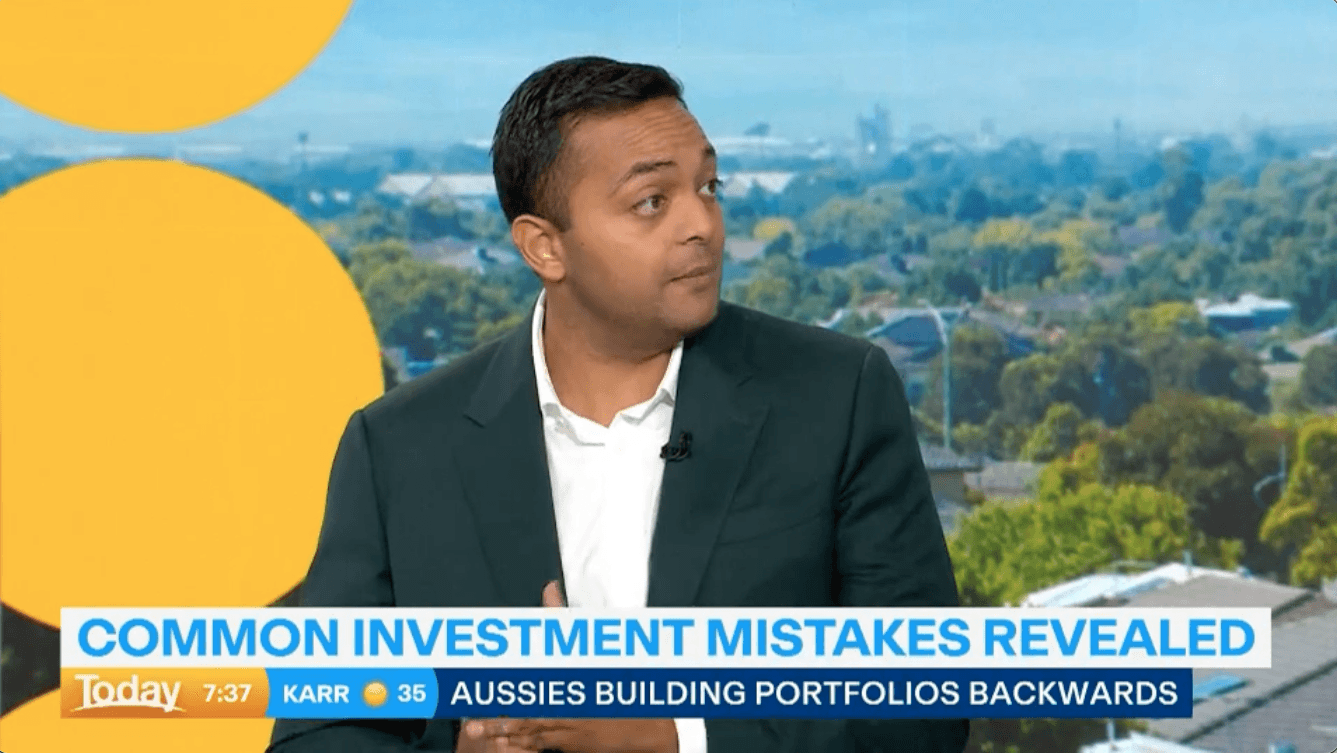
Many Australians are building property portfolios backwards. Learn the risks of accidental investing and how to shift to a data driven, borderless strategy that builds long term wealth.
Many Australians believe they are property investors.
They upsize their home, keep the old one, and assume they have built a portfolio.
But buying first and planning later is one of the most common wealth mistakes in this country.
It is called accidental investing. And it is quietly holding portfolios back.
What Happened
Across Australia, many owner occupiers are becoming “investors” by default.
They buy a home in a suburb they love. Budgets are tight. So they compromise. Often it is a small studio or one bedroom apartment.
Later, they upsize. Instead of selling the first property, they keep it as an investment.
On paper, they now own two properties.
In reality, they never selected the first asset using investment grade research. It was an emotional purchase, not a strategic one.
This is accidental investing.
It is driven by lifestyle decisions, not data. And it often leads to underperformance.
Key Findings
1. The Myth That Property Always Grows the Same
One of the biggest misconceptions in Australia is that all property rises evenly over time.
The data shows otherwise.
Over the past seven years, many unit markets have significantly underperformed houses. While some segments are now recovering, long periods of weak growth have already impacted portfolio momentum.
Keeping a compromised first property can mean anchoring your portfolio to a weaker asset class.
For a young couple, this creates unnecessary risk. For an ambitious young professional, it slows down equity acceleration.
2. Delaying “Real” Investing
Another trap is psychological.
Many accidental investors tell themselves they will start investing properly later.
They believe they are already investors because they own two properties.
But without a strategy, there is no defined outcome. No target income. No equity milestone. No retirement timeframe.
3. Emotional Attachment Clouds Decisions
The first property was once home.
That creates bias. Sellers often overestimate value. They assume strong performance because they enjoyed living there.
But markets reward fundamentals, not memories.
If the property is underperforming, it may also be harder to sell. This can trap investors who expected flexibility.
Lessons for Investors
Strong portfolios are not built accidentally. They are built through structure.
The most successful investors across Australia share several characteristics:
They start with an end goal
They reverse engineer the portfolio required to get there
They assess every asset objectively
They invest borderlessly
Borderless investing is critical.
You might live in Brisbane, but the strongest opportunity could be in Adelaide.You might live in Sydney, but regional New South Wales or South East Queensland may offer better affordability and growth dynamics.
The key is not proximity. It is performance potential backed by data.
Intentional investing replaces emotion with research.
Action Steps
If you recognise yourself in this scenario, take the following steps:
Audit your current portfolio
Assess performance using data, not assumptions. Review growth, rental demand, supply pipeline and long term fundamentals.Remove emotion from pricing expectations
If selling is required, align to market reality. Emotional pricing leads to stagnation.Build a portfolio plan
Define your end goal. Income target. Timeframe. Risk tolerance. Then map the properties required in between.Assemble a team
Work with buyers agents and advisers who focus on research, not hype.Adopt a borderless mindset
Follow the strongest economic and housing fundamentals, wherever they are in Australia.
The Bottom Line
Buying a home and keeping it does not automatically make you a strategic investor.
Without research and planning, portfolios grow slowly. Or worse, stagnate.
Intentional investing is different. It is structured. It is data led. And it aligns every purchase to a defined outcome.
Plan first. Then buy.
Book a Free Discovery
The strongest portfolios are built on data, not emotion.
If you want clarity on whether your current property is helping or hurting your long term strategy, book a discovery call with InvestorKit.
Build wealth confidently, without stress or guesswork.
Keep Reading



" transform="translate(5 5)" width="14px"/></svg>)