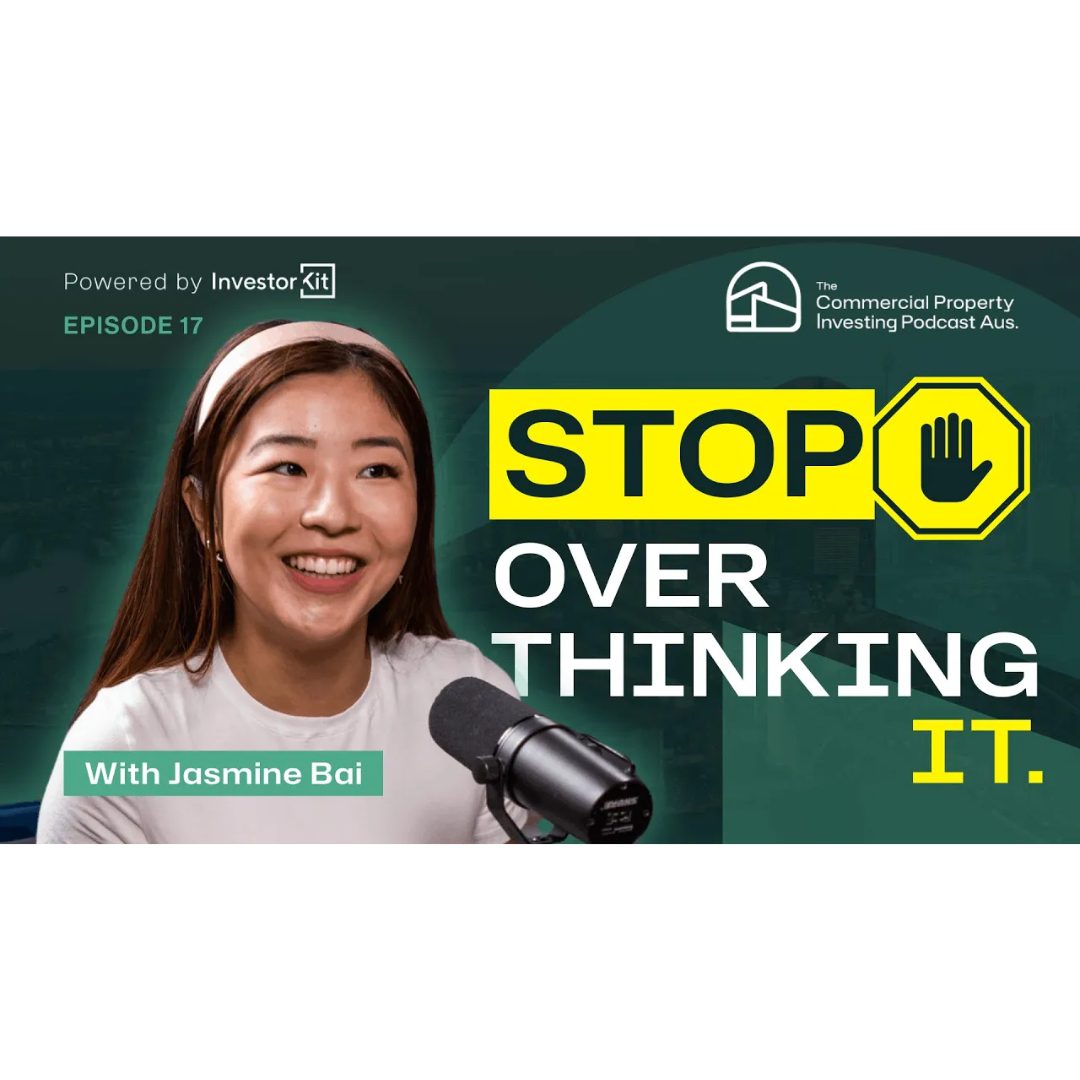
Commercial Property for Passive Income: Jasmine's Strategy
Listen to it on


Saving felt like going backwards.
Jasmine looked at cash in a bank account and saw inflation eroding it. So she made a simple call. Invest, leverage, and let time do the heavy lifting.
Her goal was not complicated. Passive income that could cover living expenses. Enough certainty that she could step back from work when she wanted to.
She achieved it with one commercial deal.
What Happened
Jasmine moved to Australia from France, studied construction, and became obsessed with property investing. She started with residential. Then she compared other asset classes like stocks and crypto, but kept coming back to property for one reason.
Leverage.
She explained it in plain terms:
Borrowed money does not grow with CPI
Rent often does, especially in commercial leases
Inflation can erode the real value of the debt over time
If the asset is positive cash flow, you are paid while the debt shrinks in real terms
She moved into commercial property because it “ticked all the boxes”:
Positive cash flow
Long-term asset appreciation
CPI-linked rent reviews written into the lease
A focus on safety, not chasing the highest yield
Her commercial asset was positioned for reliability:
Major city location
Blue chip area
National tenant and a business type that is easier to re-lease, such as industrial style space
Lease structure designed to support income consistency
The outcome was lifestyle freedom. Then a new problem appeared.
She got bored.
So she chose what many high performers choose. Use the freedom to work harder on purpose, not from necessity.
Key Findings
1) Inflation punishes idle cash
Jasmine’s first driver was protecting purchasing power. Cash sitting still loses value when inflation rises.
2) Leverage can turn inflation into an advantage
Her view was simple. If the loan balance stays the same but income rises, time can work in your favour. Inflation reduces the real weight of fixed debt.
3) CPI-linked rent reviews create compounding income
Commercial leases often include rent reviews. In this case, CPI-linked increases were a key reason the income could rise without relying on hope or guesswork.
4) Yield is not the strategy, safety is
Jasmine was clear. The yield did not need to be extreme. She preferred stable, safe income with lower risk over chasing high numbers that come with vacancy risk or weak tenants.
5) Tenant quality and location reduce downside
The deal leaned on fundamentals.
National tenant confidence
Major city demand
A property type that can suit multiple business users if a tenant ever changes
6) A strong team speeds up decision-making
Jasmine said she felt protected and secure because questions were answered and due diligence was handled properly.
She also made a practical point many investors feel. Many commercial listings hide the price. That increases friction. A team reduces friction.
Action Steps
Define the problem you are solving
Is it passive income, flexibility, or long-term capital growth?Choose lease mechanics that support your goal
Look for rent reviews that grow income, such as CPI-linked or fixed annual increases.Do not buy yield, buy reliability
Stress test vacancy. Stress test tenant strength. Understand reletting demand.Prioritise fundamentals
Major employment areas, strong demand drivers, and proven tenant categories can reduce downside.Build the team before you buy
Commercial outcomes are often decided in due diligence, not at settlement.
Want to build a high growth portfolio with clear cash flow targets and less guesswork?
Book a free discovery call and get a tailored plan to match your risk profile, borrowing capacity, and income goals. Visit the link in the show notes or head to investor.com.au to book your discovery call.
Keep Reading



" transform="translate(5 5)" width="14px"/></svg>)